

Before a home is torn down or substantially remodeled, its cabinetry, doors, millwork, fixtures, and other components can often be donated to a qualified reuse organization instead of going to a landfill. This is commonly called tax salvage or a deconstruction donation, and a donation valued above $5,000 generally requires an IRS qualified appraisal. Censeo Valuation Consultants prepares those appraisals for donors, their CPAs and tax attorneys, and donee organizations across Maricopa and Pinal Counties, with deep experience in luxury and custom homes. Andrew Ament, Arizona Certified Residential Appraiser #21472, has appraised since 2005 and prepares each report personally under USPAP and the Treasury Regulations governing qualified appraisals.
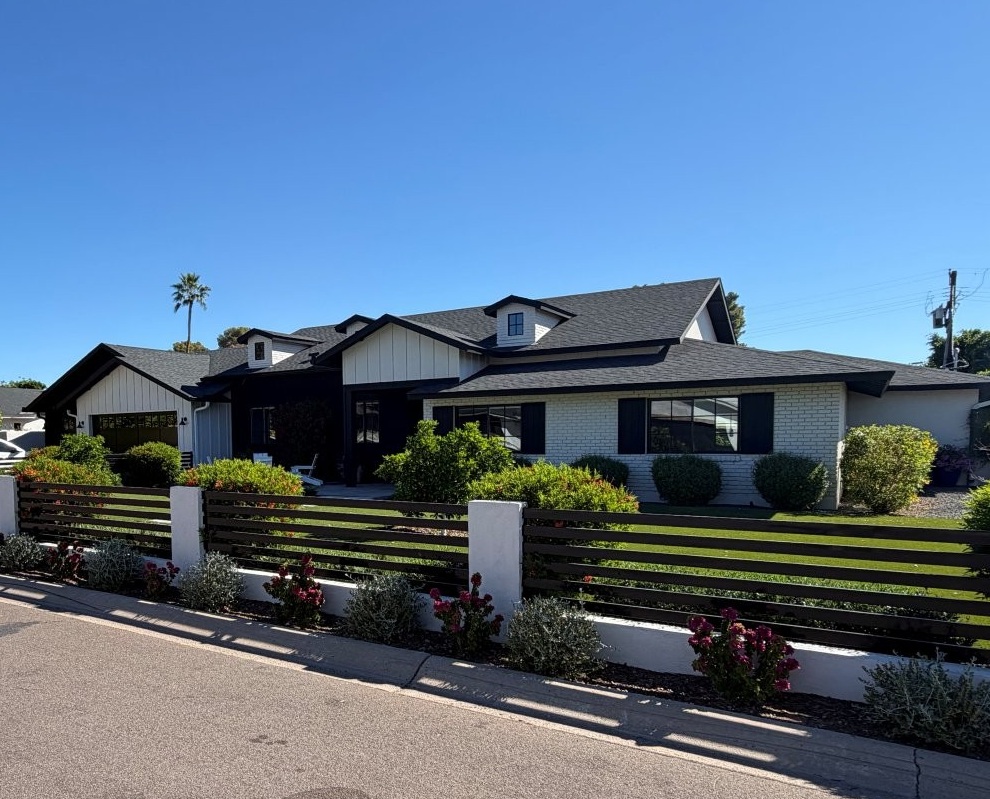
Call before anything is removed
The appraisal depends on documenting the donated components in place, before deconstruction begins. The inspection records what will be donated, its quantity, quality, and condition, with photographs, so the report can tie each component to the property it came from. Once cabinets and doors are pulled and hauled away, that evidence is much harder to establish.
What can be donated
Depending on the project and what the receiving organization accepts, donated components often include custom cabinetry and built-in millwork, interior and exterior doors, windows and trim, countertops and stone surfaces, hardwood and specialty flooring, plumbing fixtures, lighting, built-in appliances, and architectural features. The report values only what is actually donated and received, not everything in the house.
When a qualified appraisal is required
Over $5,000. A noncash contribution valued above $5,000, counting similar items together, generally requires a qualified appraisal and Form 8283, Section B.
Over $500,000. The qualified appraisal itself generally must be attached to the return.
Timing. The appraisal must be signed no earlier than 60 days before the date of the contribution, and the donor must receive it before the due date, including extensions, of the return on which the deduction is first claimed.
Form 8283. The qualified appraiser signs the appraiser declaration on Form 8283, Section B, and the donee organization signs its acknowledgment. The donor’s tax advisor decides how the deduction is reported.
How the appraisal is developed
These donations have drawn close attention from the IRS and the courts, so the method and the documentation matter as much as the conclusion. Each report identifies exactly what was donated, documents condition and quantity, and explains the valuation method and why it fits the assignment. Cost analysis uses nationally published construction cost data indexed to the effective date, with physical and functional depreciation applied at the component level, and is supported with market evidence from the local residential market. When the same property produces donations in more than one year, the method is applied consistently across reports so the filings support one another. The report includes the statements, certifications, and qualifications the Treasury Regulations require.
Fees
Fees are quoted individually based on the scope of the donated components, the property, and the documentation required. Treasury Regulations prohibit qualified appraisal fees based on a percentage of the appraised value, and Censeo’s fees are never tied to the value concluded.
Representative assignments
Interior doors and built-in casework donated from a Paradise Valley custom home ahead of a renovation
Whole-house component donations ahead of teardowns in Phoenix, Mesa, Glendale, and Peoria
Multiple-year donations from the same luxury property, valued with a consistent method across reports
Frequently asked questions
What is tax salvage?
Donating building components from a home before demolition or a major remodel to a qualified charitable organization that reuses them. Whether the donation is deductible, and how much, depends on IRS rules and the donor’s tax situation, which the donor’s CPA or attorney determines.
When should I contact an appraiser?
Before any components are removed, and ideally before the deconstruction contract is final. The inspection has to document the components in place.
Can the nonprofit or the deconstruction contractor value the donation?
No. The donee organization acknowledges receipt on Form 8283, but the value has to come from an independent qualified appraiser.
Does the appraisal value the whole house?
No. It values the components actually donated and received by the organization.
How long does it take?
It depends on the size of the home and the scope of the donation. Timing is set at the initial consultation, with the 60 day signing window and your filing deadline in mind.
Professional affiliation
Member, Build Reuse, the national community of organizations dedicated to building material reuse.
Related services
Form 8283 Value vs. Whole Property Value
Appraisals for Financial Planners, CPAs, and Trustees
Estate and Date of Death Appraisals
Litigation Support Appraisals
Request an IRS qualified appraisal
Call 480.540.5151 or email andrew@censeovc.com with the property address, the planned donation or deconstruction date, the donee organization, and your tax advisor’s contact. You can also send a request through the contact page. Andrew’s background also includes residential development and project management. Learn more about Andrew Ament’s qualifications.
Censeo Valuation Consultants does not provide tax or legal advice. Donors should consult their CPA or attorney regarding deductibility and tax reporting.